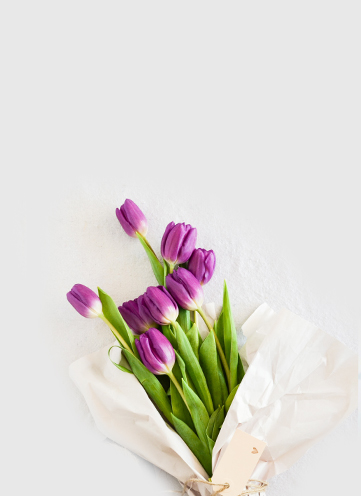
Improve Your Mood and Well-Being with the Delicate Beauty of Flowers
Posted on 21/05/2025
Improve Your Mood and Well-Being with the Delicate Beauty of Flowers
The captivating delicacy and vibrant colors of flowers have enchanted humanity for centuries. As more people seek ways to enrich their daily lives, the allure of flowers emerges not merely as visual delight, but as a powerful tool to enhance mood and promote emotional well-being. In this article, you'll learn how incorporating flowers into your life can boost happiness, reduce stress, and nurture mental wellness--all with nature's gentle touch.
Why Flowers Influence Mood and Emotional Health
Have you ever felt your spirits lift upon entering a room filled with fresh blooms? There's a science behind this response. Flowers have long been intertwined with human culture, used in rituals, celebrations, and as symbols of love and hope. Today, research confirms what many have intuitively known: exposure to flowers and their delicate beauty has measurable effects on our psychological and emotional state.
- Flowers trigger happy brain chemicals. Seeing or smelling flowers can stimulate the release of dopamine, serotonin, and oxytocin--neurotransmitters associated with pleasure and positive emotions.
- Natural connection: Being near nature, including flowers, is proven to decrease anxiety and feelings of depression.
- Color therapy: The bright and soothing hues of flowers can influence our mindsets, making us feel more energetic, peaceful, or joyful.
By integrating the delicate beauty of flowers into your surroundings, you not only improve your mood but also support a holistic sense of well-being.
The Science Behind the Mood-Enhancing Power of Flowers
1. Psychological Benefits of Flowers
Numerous studies demonstrate that flowers have profound psychological benefits. When people receive flowers, they commonly report:
- Improved mood
- Increased feelings of care and affection
- Lowered stress levels
- Enhanced workplace productivity and creativity
Research published in the journal Evolutionary Psychology found that participants who received flowers experienced genuine smiles (the Duchenne smile) and reported positive feelings for days after.
2. Flowers and Mental Health
Flowers are often used as a complementary therapy for mental wellness. In hospital environments, patients shown fresh flowers or green plants have faster recovery rates and report less pain and anxiety. Simply being close to a bouquet can:
- Reduce feelings of loneliness
- Offer comfort during stressful times
- Serve as a mindful, grounding presence in daily routines
3. Color Psychology: How Floral Hues Affect Mood
Colors are powerful communicators, and flowers provide a dazzling palette. Different flower colors can evoke specific emotions and atmospheres:
- Yellow: Symbolizes joy and energy, often associated with happiness and optimism.
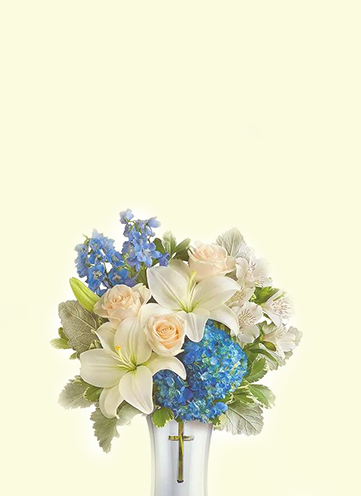
- Blue: Instills calmness and tranquility, helping reduce anxiety and foster relaxation.
- Purple: Denotes creativity and luxury, often sparking feelings of inspiration.
- Red: Represents passion and vitality, invigorating the senses and building energy.
- White: Suggests purity and peace--ideal for creating restful environments.
When selecting flowers for mood enhancement, consider their color as well as their variety and fragrance.
Ways to Incorporate Flowers into Daily Life for Enhanced Well-Being
Inviting the delicate beauty of flowers into your home, workplace, or even daily routines can transform your approach to mental wellness. Here are practical and creative ways to include flowers in your quest for better mood and well-being:
1. Adorn Your Living Spaces
- Create floral centerpieces for dining tables, kitchen counters, or coffee tables.
- Use single stems in slender vases for minimalist, soothing decor.
- Refresh your workspace with a small bouquet or potted flower to cultivate joy and focus.
2. Practice Flower Arranging as a Mindful Hobby
- Arrange flowers as a form of meditation. The tactile experience and visual focus can promote mindfulness and reduce stress.
- Encourage children or loved ones to join; it fosters creativity and connection.
3. Bring Flowers into Self-Care Rituals
- Incorporate floral baths using petals or essential oils for a luxurious, uplifting soak.
- Place flowers beside your bed to welcome you into restorative sleep with calming fragrance and color.
- Use floral teas, such as chamomile or hibiscus, to cultivate calm and promote digestive health.
4. Gift Flowers for Shared Joy
- Giving flowers--even a simple handpicked bunch--can deepen relationships and spread happiness to others.
- Send blooms to support someone through hardship, illness, or to celebrate milestones.
The Therapeutic Power of Flower Varieties
1. Roses: Romantic and Uplifting
Roses are renowned not just for their fragrance, but also for their mood-enhancing properties. Their lush appearance symbolizes love, making them perfect for cultivating feelings of warmth and affection. Rose scents have been found to lower cortisol (stress hormone) levels and evoke comfort.
2. Lavender: Calming and Relaxing
Known for its soothing aroma, lavender is widely used in aromatherapy to improve sleep and relieve anxiety. Placing fresh lavender in your bedroom or using it in tea contributes to a tranquil environment and enhanced sense of well-being.
3. Sunflowers: Joyful and Energizing
With their bold, sunny faces, sunflowers instantly brighten any room and evoke feelings of happiness and vibrancy. Their golden color is closely linked to optimism and energy--essential components of a good mood.
4. Lilies: Peaceful and Pure
Lilies, often white or pastel, contribute to a sense of purity and peace. Their gentle fragrance is both uplifting and calming, making them ideal for contemplative spaces or relaxation corners.
5. Orchids: Exotic Elegance and Resilience
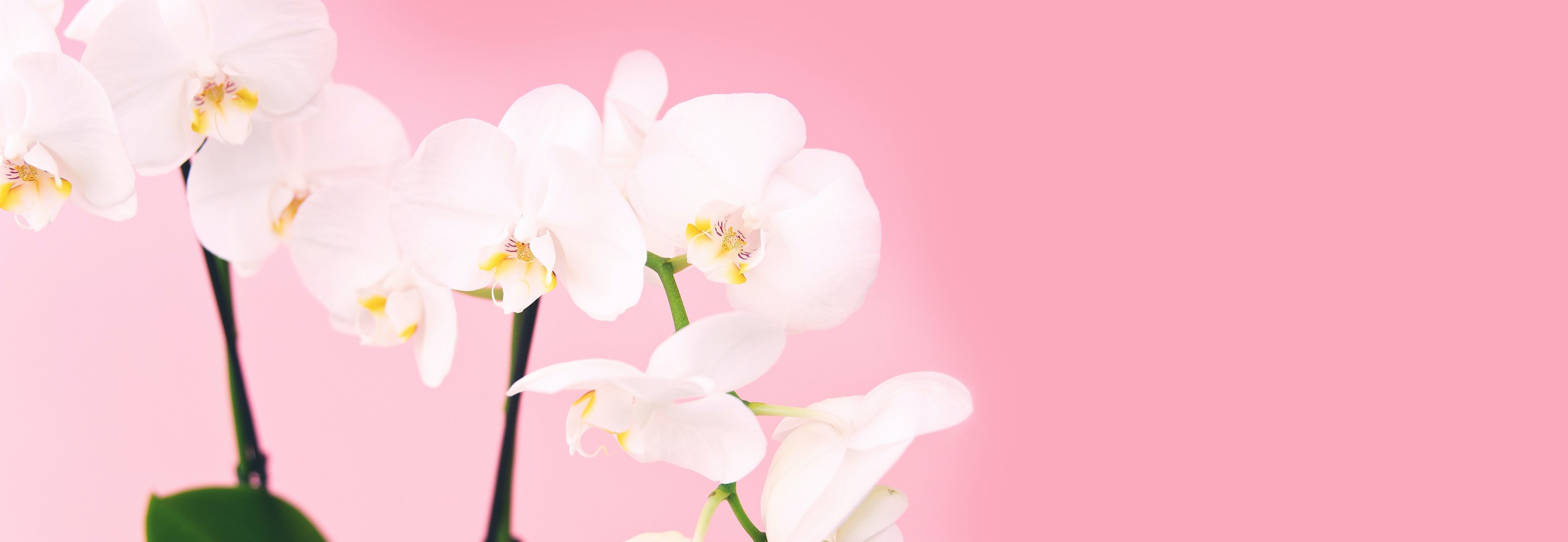
Orchids symbolize refinement and resilience. Their delicate beauty, often in unconventional colors, brings inspiration and a sense of exotic adventure, perfect for stimulating creativity and curiosity.
Creating a Flower-Filled Routine: Tips and Tricks
1. Rotate Seasonal Blooms
Embracing the seasonality of flowers connects you to the cycles of nature. Bring in tulips in spring, sunflowers in summer, chrysanthemums in autumn, and amaryllis in winter to maintain visual interest and a sense of renewal with each season.
2. Combine Fragrance and Visual Appeal
Select flowers that offer both beauty and scent. The aroma of fresh blooms can transform your home into a sanctuary and uplift your senses effortlessly.
3. Use Sustainable Practices
- Support local growers for fresher, more eco-friendly bouquets.
- Choose long-lasting varieties or dried flowers for sustainable enjoyment.
- Compost flowers after their lifespan to enrich your garden and continue the cycle of renewal.
How Workplaces Benefit from Floral Beauty
Flowers are not only for the home. Introducing floral arrangements into offices and work environments significantly enhances employee morale and productivity. Studies show that office spaces decorated with flowers and plants:
- Reduce absenteeism and stress
- Encourage creative thinking and problem-solving
- Improve job satisfaction and interpersonal relations
Whether it's a single vase on a desk or an arrangement in a common area, florals can positively shift the energy and atmosphere of a workspace.
Flowers as Symbols: The Deeper Meaning
The delicate beauty of flowers holds symbolic significance across all cultures. From the cherry blossoms that embody transience in Japan, to the lotus that represents enlightenment in Eastern rituals, flowers ground us in meaning and tradition. By choosing specific blooms for your environment, you can personalize the emotional resonance and intention they bring to your life.
- Daisies: Innocence and new beginnings
- Irises: Wisdom and hope
- Peonies: Prosperity and romance
This symbolic dimension adds another layer to the emotional impact that flowers have on our mood and sense of well-being.
Flower Activities to Boost Your Mood
1. Flower Journaling
Document your experiences with flowers in a journal. Sketch them, press their petals, or write about how they make you feel. This practice combines gratitude, creativity, and mindfulness for emotional uplift.
2. Floral Photography
Take photos of flowers on walks or in your garden. Observing their forms through a camera lens enhances appreciation and cultivates presence, which is essential for relaxation and improved mood.
3. DIY Flower Crafts
- Make your own potpourri or scented sachets
- Create pressed-flower art for home decoration
- Craft flower-infused candles or soaps to bring floral benefits into daily use
Conclusion: Embrace the Delicate Beauty of Flowers for Lasting Well-Being
Flowers are much more than simple embellishments for our spaces. They are nature's mood-boosters, stress-relievers, and gentle reminders of the world's beauty. By intentionally inviting the delicate beauty of flowers into your life, you can cultivate happiness, enhance emotional wellness, and create a nurturing environment--at home, work, or wherever you roam.
Let their vibrant colors, subtle fragrances, and symbolic meanings inspire you every day, improving your mood and elevating your well-being naturally. Whether you're gifting them, growing them, or simply enjoying them from afar, the positive impact of flowers on your life is as infinite and delicate as the petals themselves.
FAQs: How to Improve Mood & Well-Being with Flowers
- Which flowers are best for relaxation? Lavender, lilies, and chamomile are known for their calming properties.
- How often should I bring fresh flowers into my home? Aim for at least once a week, rotating different varieties and colors to keep things fresh and uplifting.
- Can people with allergies still enjoy floral benefits? Yes, opt for hypoallergenic flowers like orchids, roses, or succulents, or use dried flowers and essential oils.
Embrace the delicate beauty of flowers today and discover a more joyful, balanced, and inspired you!